
Monitoring and Evaluations
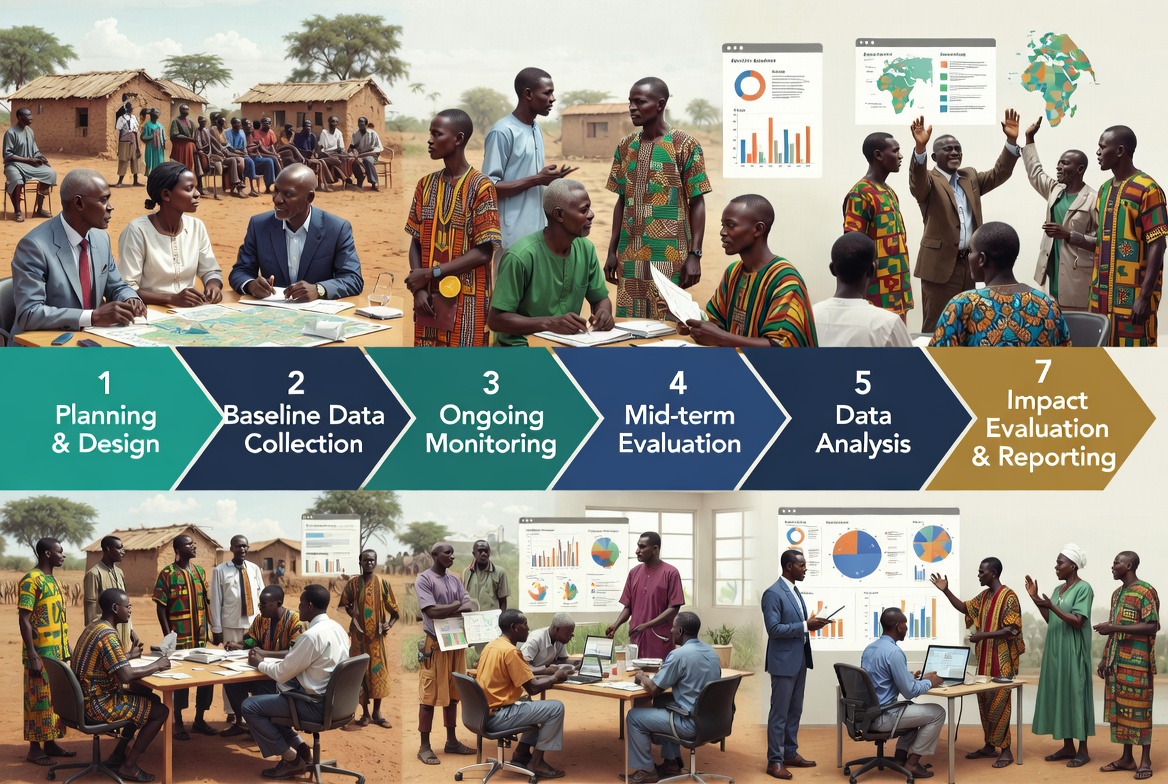
At NEOFACTS, we understand the importance of monitoring and evaluation (M&E) in ensuring the effectiveness and impact of development programs. We employ a range of M&E methods, including Randomized Control Trials (RCTs) and outcome harvesting methodology, to generate robust and reliable evidence on the outcomes and impact of our interventions.
RCTs are a powerful method for determining the causal impact of an intervention. By randomly assigning participants to a treatment or control group, we can isolate the effects of the intervention from other factors that might be influencing the outcome. This allows us to attribute changes in outcomes to the intervention itself, and to assess its effectiveness.
Outcome harvesting is another method we use to monitor and evaluate the impact of our interventions. This approach involves identifying and documenting the changes that have occurred as a result of the intervention and then using these changes as evidence of the intervention’s impact. This method is particularly useful for complex or multifaceted interventions, where it may be difficult to identify clear cause-and-effect relationships.
In our M&E work, we prioritize the use of participatory and collaborative approaches that involve stakeholders in the process of defining evaluation questions, collecting and analyzing data, and interpreting results. This helps to ensure that our evaluations are relevant, useful, and actionable for our clients and partners. Ultimately, our goal is to use rigorous M&E methods to generate evidence that can inform program design, improve implementation, and increase the effectiveness and impact of development interventions. By using approaches like RCTs and outcome harvesting, we can ensure that our M&E work is reliable, credible, and valuable to our clients and partners.

Research. Learn. Inform.
We are a professional research firm/company providing market research, social research, public policy research, monitoring & Evaluation, and data collection services; operating in Uganda, Kenya, Tanzania, Rwanda, Burundi, Democratic Republic of Congo, Sudan, Ethiopia, South Sudan, Djibouti, Somalia, Eritrea, Mozambique, Malawi, Mali, Nigeria, Ghana, Chad, Central African Republic and the rest of Sub-Saharan Africa.